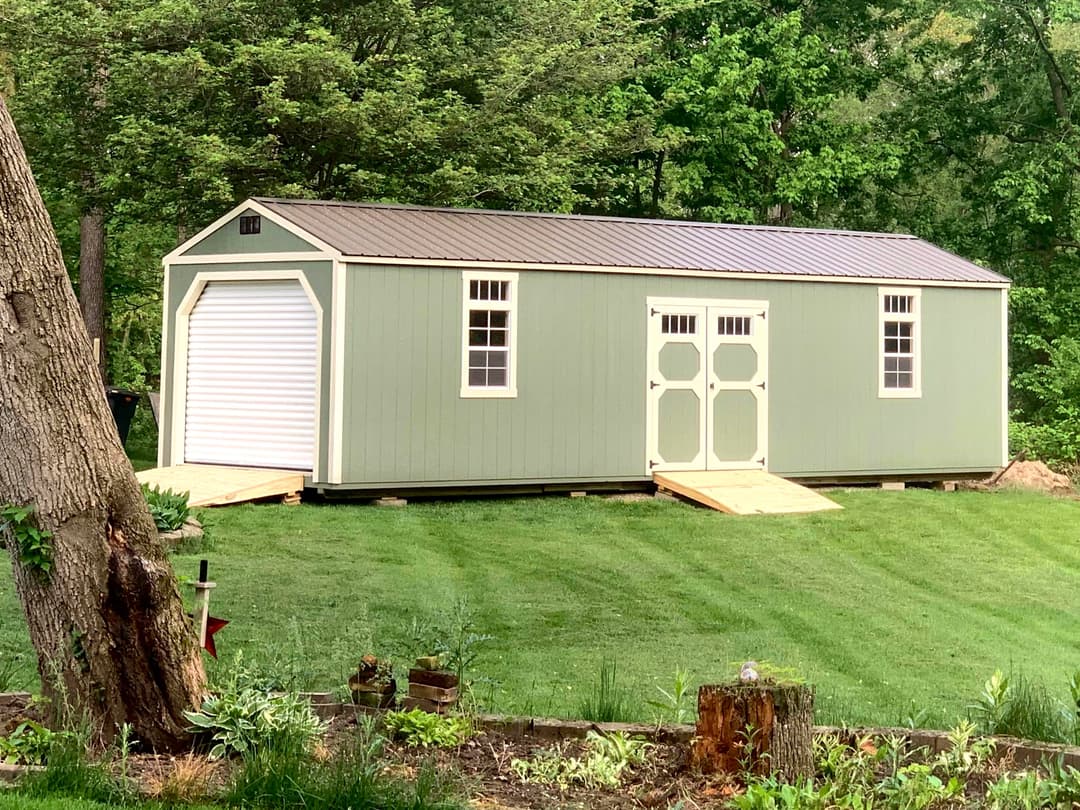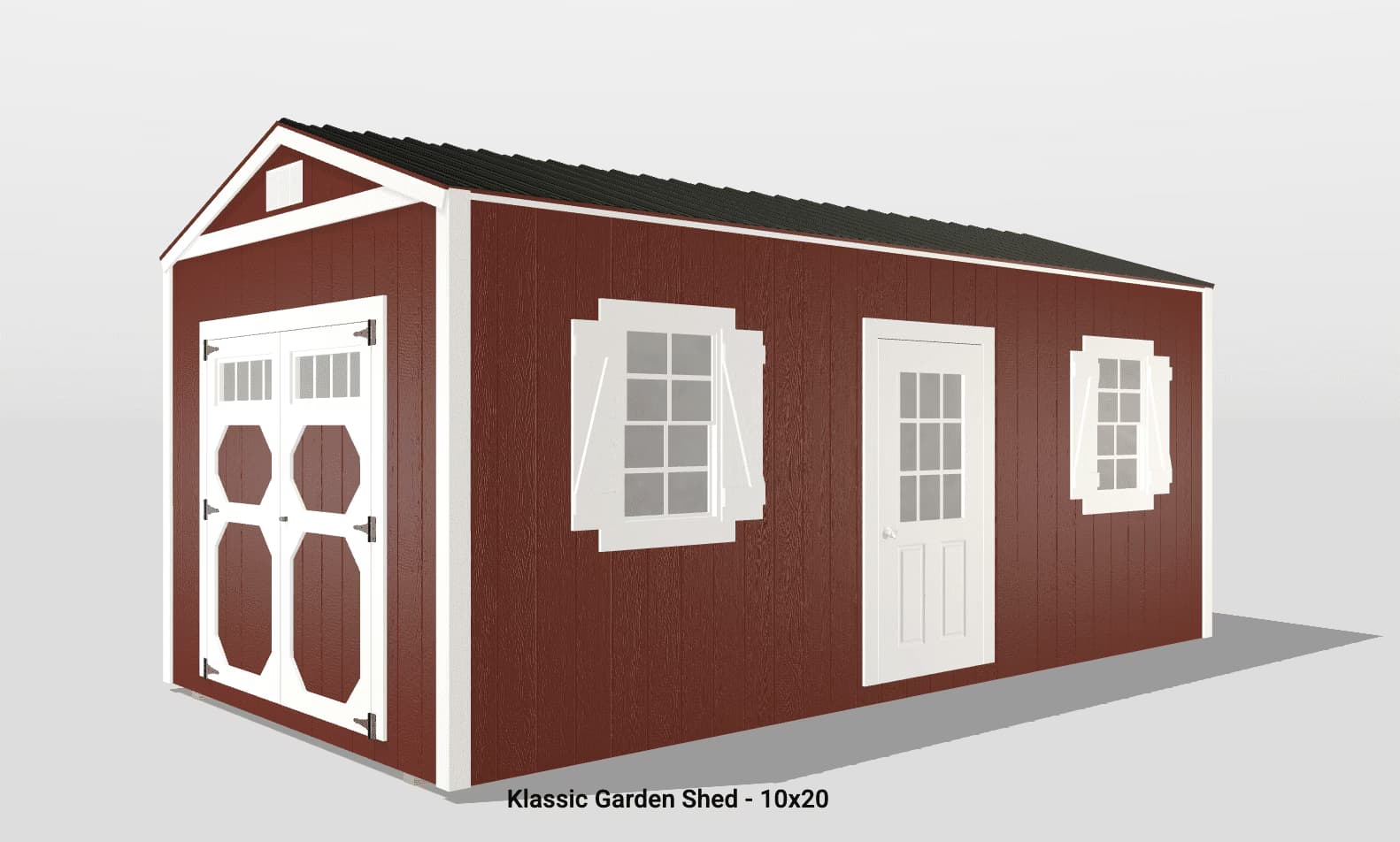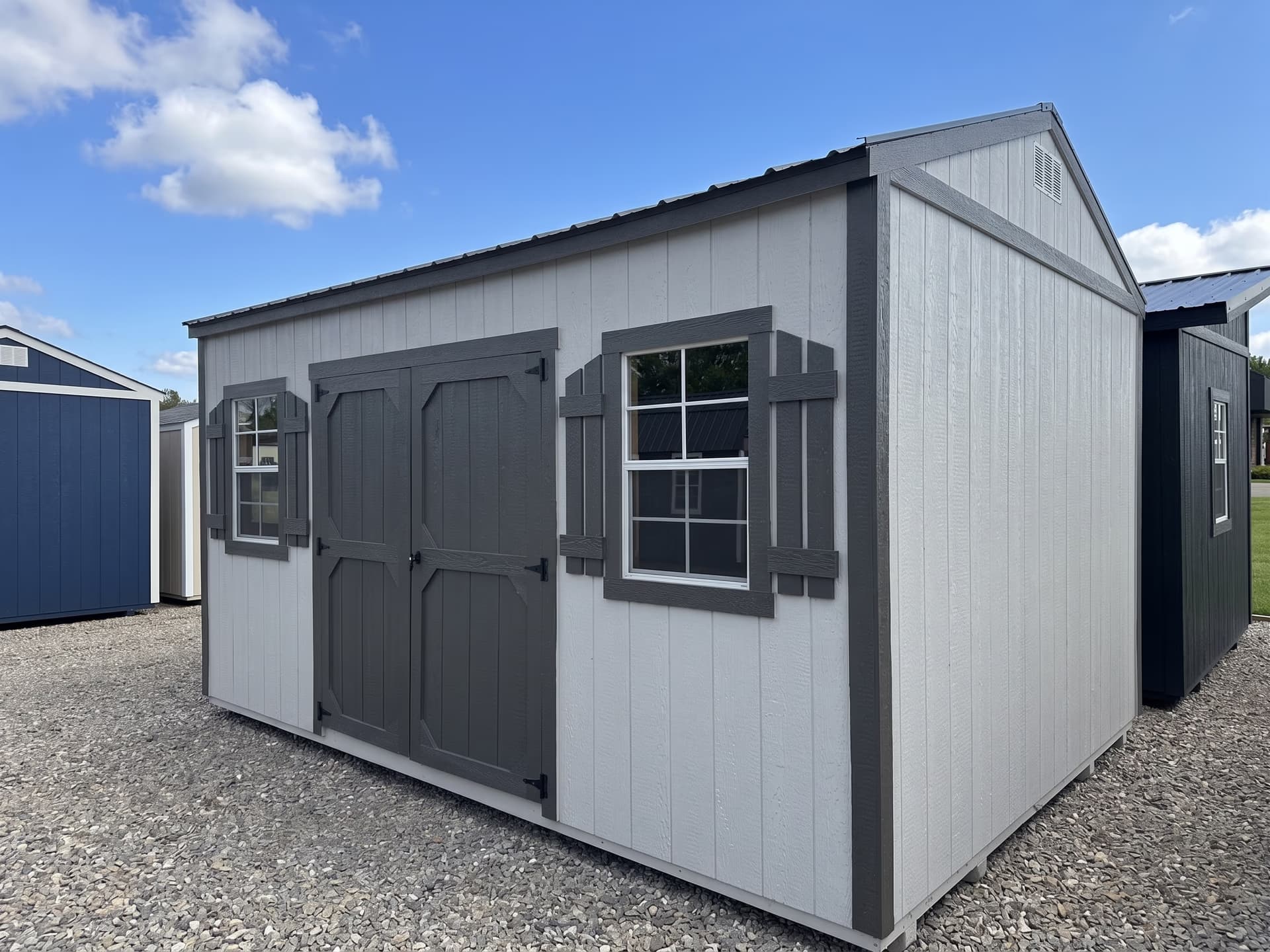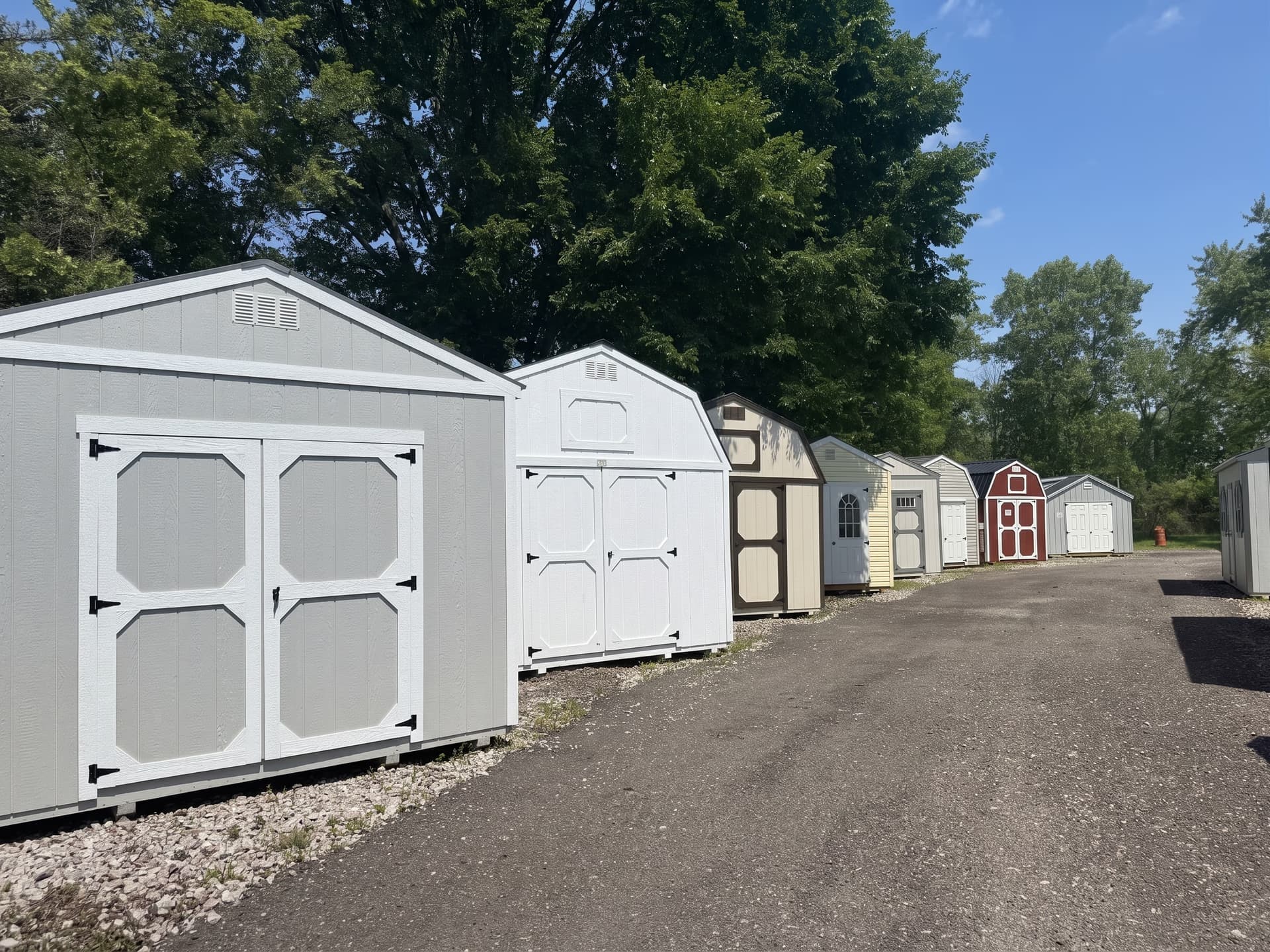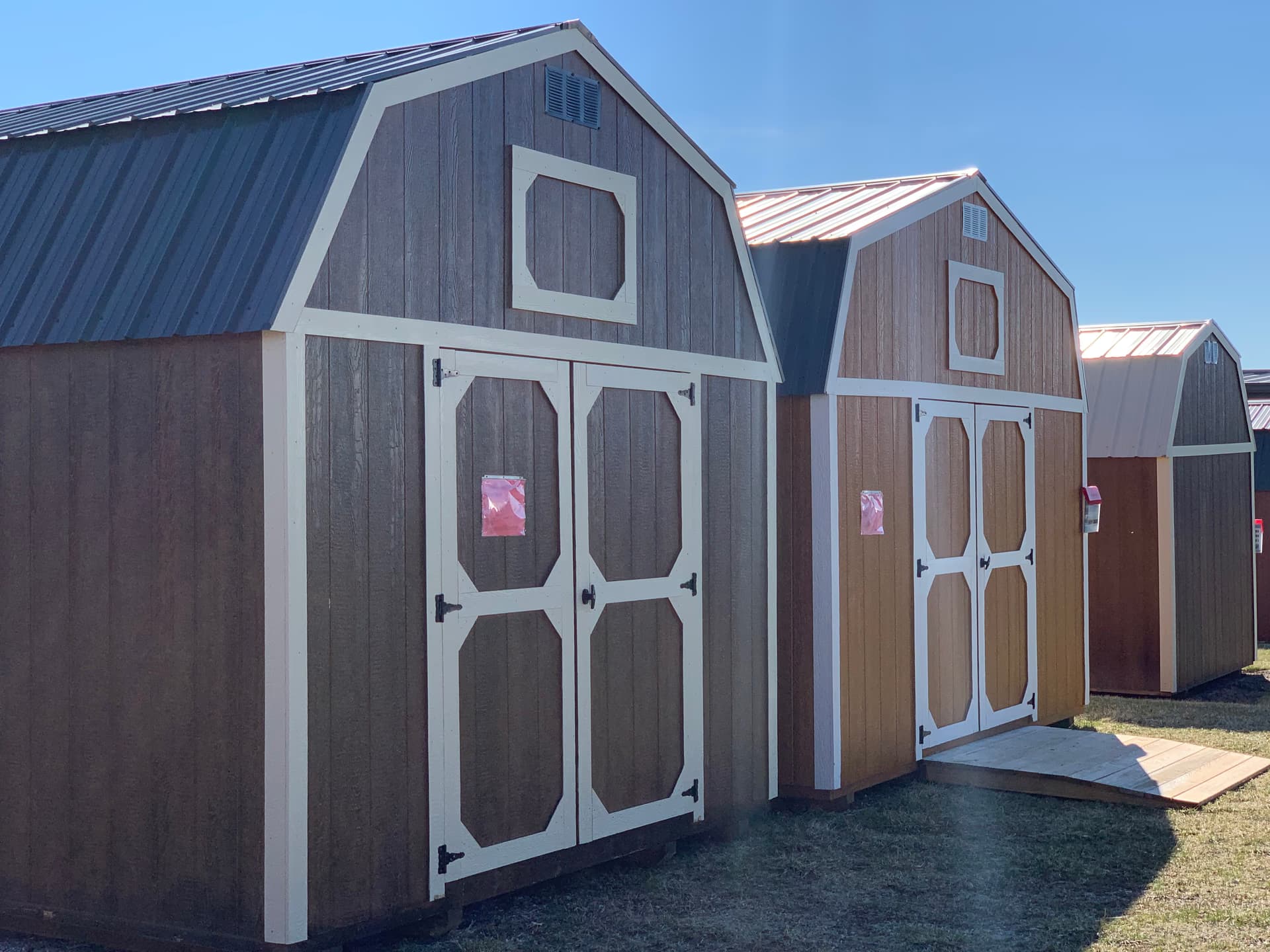
Want your Amish shed to last for decades? Start with these simple maintenance tips to protect your investment and keep it in top shape. Amish-built sheds are known for their durability, but regular care is essential. Here’s what you need to know:
- Inspect twice a year: Check the roof, siding, doors, windows, and foundation for damage.
- Keep it clean: Remove debris, clean surfaces gently, and clear gutters.
- Seal the wood: Apply a protective sealer every 12–24 months to prevent moisture damage.
- Fix roof issues early: Address missing shingles, leaks, or sagging areas promptly.
- Check the foundation: Ensure proper drainage and repair cracks or uneven surfaces.
- Repaint or stain regularly: Fresh coats every 3–5 years protect against weather damage.
- Improve ventilation: Add vents to prevent mold and moisture buildup.
- Maintain hardware: Lubricate hinges and locks to prevent rust.
- Stop pests: Seal entry points and use natural repellents to keep rodents and insects out.
- Prepare for winter: Clear snow, weatherproof, and monitor for ice dams.
How to Prevent your Wooden Shed from Rotting - 10 Tips
1. Check Your Shed Twice Yearly
Keeping your Amish-built shed in good condition requires regular inspections. Aim to check it every spring and fall to spot small issues before they turn into expensive repairs.
Here’s what to look for during your inspections:
- Roof and Ceiling : Check for water stains, drips, warped wood, missing shingles, clogged gutters, or moss that could trap moisture.
- Doors and Windows : Look for worn door handles, hinges, or panels. Check windows for cracked seals or condensation. Apply lubricant to rusty hinges.
- Siding and Structure : Examine the siding for peeling paint, warped panels, mold, dry rot, or crumbling wood. Addressing these early can save you trouble later.
- Foundation and Floor : Inspect for uneven surfaces, cracks, or leaning walls. Clear away vegetation and debris around the base to reduce moisture buildup.
If you find serious structural problems - especially with the foundation - remove heavy items from the shed and contact a professional promptly.
2. Keep the Shed Clean
Keeping your Amish shed clean is key to maintaining its quality and protecting it from potential damage over time. Regular cleaning helps preserve both its appearance and structure.
For wooden sheds, stick to a gentle approach. Mix a mild wood cleaner with water and use a soft brush or cloth to clean the surface. If you spot mildew or algae, combine 1 part vinegar with 3 parts water to address the issue effectively.
Interior Maintenance Tips
Inside the shed, focus on keeping the floors and surfaces tidy:
- Sweep the floors thoroughly or use a leaf blower to clear out debris.
- Treat oil or grease spots on concrete using cleaners made for the job.
- For general cleaning, a mix of vinegar and dish soap works well.
- Consider applying a concrete sealer every so often to protect the floor.
Exterior Cleaning Methods
When cleaning the exterior, pick a sunny day so everything dries quickly. The table below outlines how to clean different surfaces effectively:
Surface Type: Wood Siding | Cleaning Solution: Mild wood cleaner + water | Tools: Soft brush, cloth | Special Care: Avoid using pressure washers
Surface Type: Vinyl Siding | Cleaning Solution: Mild dish soap + water | Tools: Soft cloth, sponge | Special Care: Gentle pressure washing is fine
Surface Type: Metal Components | Cleaning Solution: Mild detergent + water | Tools: Soft-bristled brush | Special Care: Use rust remover if necessary
For tough mildew or stains, products like Barrettine Mould and Mildew Cleaner can help.
Don't forget the gutters! Cleaning them regularly prevents water damage and extends the roof's lifespan. For those hard-to-reach corners or stubborn grime, a toothbrush can be surprisingly handy.
3. Apply Wood Protection
Protecting your shed's wood helps prevent moisture damage and keeps it in good condition for years.
Choosing the Right Sealer
Once the wood is clean, pick a sealer that fits your needs. Here's a quick comparison:
Sealer Type: Oil-based | Best For: Pine, Cedar, Oak | Protection Level: High UV & moisture resistance | Appearance: Rich finish
Sealer Type: Water-based | Best For: Birch, Maple | Protection Level: Moderate protection | Appearance: Natural look
Sealer Type: Solid/Opaque | Best For: Maximum UV protection | Protection Level: Highest | Appearance: Covers grain
Sealer Type: Semitransparent | Best For: Balance of protection/look | Protection Level: Medium-high | Appearance: Shows some grain
Sealer Type: Clear | Best For: Natural wood display | Protection Level: Medium | Appearance: Full grain visible
Application Process
Before sealing, clean the shed's exterior thoroughly to ensure the sealer adheres properly. Pay extra attention to:
- End grains : Apply additional coats here, as they absorb more moisture.
- Joints and seams : Use plenty of sealer where wood pieces meet.
- Exposed surfaces : Make sure all visible areas are evenly coated.
Recommended Sealers
Here are some highly rated options for outdoor wood:
- Seal-Once Nano+Poly : Known for its long-lasting durability.
- Ready Seal Exterior : Delivers an even, professional-looking finish.
- Thompson's WaterSeal : Offers excellent water resistance.
"Wood decks, fences, and outdoor furniture live a hard life exposed to rain, snow, and sun, which is why it's important to protect them with a quality outdoor wood sealer." - BobVila.com
Maintenance Schedule
Plan to reapply the sealer every 12–24 months. If you live in a harsh climate, consider sealing annually. A good rule of thumb: if water stops beading on the surface, it’s time to reapply.
4. Fix Roof Problems Early
Keeping your roof in good shape is key to protecting both the structure and contents of your Amish shed. Regular inspections can help you spot issues before they turn into costly repairs.
Inspection Schedule
Check your roof during the spring, fall, and after severe storms to catch potential damage early . During these inspections, look for:
- Missing or broken shingles
- Cracks or blistering
- Signs of water damage
- Sagging areas
- Debris buildup
These regular checks help you stay ahead of potential problems.
Warning Signs to Watch
Sometimes, the first signs of roof trouble appear inside. Keep an eye out for these issues:
Warning Sign: Dark spots | Where to Look: Attic ceiling | What to Do: Check for active leaks
Warning Sign: Paint blistering | Where to Look: Interior walls | What to Do: Investigate for moisture issues
Warning Sign: Ceiling stains | Where to Look: Room interiors | What to Do: Inspect the roof above the stain
Warning Sign: Sagging sheathing | Where to Look: Attic structure | What to Do: Call a professional immediately
Catching these signs early can save you from more extensive damage down the line.
Safe Debris Removal
- Pick the Right Day
Wait for a dry, mild day and wear safety gear like non-slip shoes and gloves. - Use the Right Tools
Equip yourself with:
A roof rake with a telescoping handle - A leaf blower on a low setting
- A soft-bristle broom
- A gutter scoop
- Work Carefully
Always work from the ridge downward to avoid damaging shingles and limit walking on the roof .
Prevention Tips
To reduce debris and storm damage, install gutter guards and trim any overhanging branches. If your roof has asphalt shingles, which typically last 15–30 years , regular upkeep is key to getting the most out of them.
"Clearing debris is about more than just improving curb appeal - it's a proactive step to protect your home from damage and extend the life of your roofing system." - GP Martini Roofing Co.
For steep roofs or extensive damage, hiring a professional is often the safer and more cost-effective option. Routine maintenance usually costs far less than emergency repairs or a full replacement caused by neglect.
5. Watch the Base Level
Your shed's foundation is just as important as the roof and exterior when it comes to long-term durability. Regular checks can help you avoid expensive repairs and keep your shed in top condition.
Signs of Foundation Issues
Look out for these common signs that your shed's foundation might need attention:
Warning Sign: Uneven Floor | What to Check: Door alignment and level surface | What to Do: Adjust foundation blocks or posts
Warning Sign: Visible Cracks | What to Check: Foundation perimeter and corners | What to Do: Seal small cracks with concrete sealant
Warning Sign: Water Pooling | What to Check: Around the shed's base | What to Do: Improve drainage to redirect water
Warning Sign: Shifting Walls | What to Check: Corner alignment and plumb | What to Do: Consult a professional for assessment
Regular inspections based on these signs can help you tailor maintenance to your specific foundation type.
Fixing Drainage Problems
Make sure the ground slopes at least 1 inch per 4 feet away from the shed to prevent water from pooling around the base. Proper drainage is key to protecting the foundation from water damage.
Foundation Types and Maintenance Tips
Each foundation type has its own maintenance needs:
- Gravel or Limestone Pad : Ideal for level areas. Rake the gravel periodically and add more as needed to maintain a solid base.
- Patio Block Foundation : Suitable for areas up to 8 inches off-level. Check regularly for settling, cracks, or misalignment of the blocks.
- Concrete Pad : For a 4-inch pad, inspect for cracks, edge damage, and drainage issues to avoid long-term problems.
Preventive Care
Keep a 2-foot clear zone around your shed by trimming back vegetation, removing debris, and ensuring downspouts direct water away from the foundation.
If you have an Amish shed with post foundations on a steep slope, inspect the support posts and anchoring systems twice a year. This helps catch potential structural issues before they become major problems.
6. Update Surface Protection
Keeping your shed's exterior in good shape is key to maintaining its durability. Along with regular cleaning and inspections, adding a fresh coat of paint or stain helps shield your shed from the elements.
Choosing the Right Products
When selecting paint, go for options specifically made for outdoor use:
Paint Product: BEHR ULTRA | Coverage (sq. ft/gal): 250–400 | Features: Includes primer, mildew-resistant, works in low temps (35°F) | Price: $54.98
Paint Product: BEHR DYNASTY | Coverage (sq. ft/gal): 250–400 | Features: Rain-resistant in 60 minutes, 4-hour block resistance | Price: $75.98
Paint Product: BEHR MARQUEE | Coverage (sq. ft/gal): 250–400 | Features: Resists dirt and fading | Price: $64.98
Application Timeline
Repaint your shed every 5 years under normal conditions. If you live in a coastal or high-rainfall area, aim for every 3–4 years instead.
"Replacing sheds and fencing is expensive, and by treating them right, there's no reason they shouldn't last for decades – all for the price of a few pots of paint."
– Trade Coatings
Step-by-Step Application
- Surface Preparation
Clean the surfaces thoroughly, sand rough areas, and caulk gaps. Apply primer to any exposed wood before painting. - Painting
Use two coats for the best results, allowing enough drying time between applications. Make sure to paint when temperatures are above 35°F.
Maintenance Tips
Keep an eye out for signs like fading, peeling, visible wood grain, or water stains - these indicate it's time to repaint.
For long-lasting protection, use a 100% acrylic formula like BEHR ULTRA. This type of paint offers strong defense against stains, mildew, sunlight, and moisture . Maintaining this protective layer helps your shed withstand changing weather conditions.
7. Keep Air Moving
Good airflow is key to preventing moisture buildup and mold, which can damage your shed and its contents. Ensuring proper ventilation helps protect both the structure and anything stored inside. Here's how to keep air circulating effectively in your Amish shed.
Check Your Ventilation
Use a hygrometer to monitor humidity levels. If the reading goes above 60%, it’s a sign of poor ventilation . Regularly inspect your vents for the following:
- Remove any blockages like dust, debris, or insect nests.
- Fix damaged seals or caulking.
- Check that vent mesh is intact and undamaged.
- Keep the area around vents clear of obstructions.
Placing Vents Strategically
Positioning vents at different heights encourages natural air circulation. Consider these options:
- Ridge vents at the roof peak to let warm air escape.
- Soffit vents under the eaves to draw in cooler air.
- Upper and lower wall vents for cross-ventilation.
- Gable vents to improve overall airflow.
Signs You Need More Ventilation
Watch for these indicators that your shed may need additional vents:
- A musty smell inside the shed.
- Condensation on windows or walls.
- Rust forming on metal items.
- Warping of wooden surfaces.
Maintenance Tips for Ventilation
To keep your ventilation system working efficiently, follow these tips:
- Clean vent openings monthly, especially during pollen season.
- Inspect and repair seals every few months.
- Test airflow by holding a piece of tissue paper near vents.
- Trim back vegetation growing near vent openings.
When installing new vents, align them with the direction of prevailing winds . This helps maintain steady airflow and keeps humidity levels under control throughout your shed.
8. Service Moving Parts
Taking care of your shed isn't just about its structure and ventilation - it's also about keeping the internal hardware in good shape. Hinges, locks, and other hardware need regular attention to stay rust-free and work smoothly.
Keeping Hinges in Good Shape
Hinges can wear out or start squeaking over time. To keep them functioning well:
- Clean off any dirt and rust.
- Apply a lubricant like silicone spray or white lithium grease twice a year.
- Wipe off any extra lubricant.
- Check the door's movement to make sure it opens and closes smoothly.
Caring for Locks
Locks can get jammed or sticky if not maintained. Here's how to keep them working:
- Clear out debris from the keyway.
- Use the right lubricant: Teflon-based dry lubricants for keyways, graphite powder for mechanisms, and silicone spray for external parts.
- Insert the key, turn it a few times to spread the lubricant, and wipe away any excess.
Lock Component: Keyway | Best Lubricant: Teflon-based dry lubricant | Avoid Using: Oil-based grease
Lock Component: Lock mechanism | Best Lubricant: Graphite powder | Avoid Using: WD-40
Lock Component: External parts | Best Lubricant: Silicone spray | Avoid Using: Petroleum products
Replacing Hardware
Sometimes, hardware is beyond repair and needs to be replaced. Look out for:
- Rust or corrosion that can't be cleaned.
- Keys or handles that are hard to turn.
- Loose or shaky components.
- Parts that are broken or bent.
- Unusual noises when operating.
Taking care of these moving parts is an important step in keeping your shed functional. Aim to do this maintenance in spring and fall when the weather is more cooperative.
9. Stop Pests Before They Enter
Keeping pests out is crucial to maintaining your shed's condition. Different pests leave behind specific signs, and addressing these quickly can save you from bigger problems down the line. Regular inspections and preventive measures go hand in hand to ensure your shed stays in great shape.
Identifying Common Intruders
Pests often leave telltale signs. Here's what to look for during your routine checks:
Pest Type: Mice/Rats | Warning Signs: Droppings, chewed packaging, small holes | Immediate Action: Seal entry points with silicone caulk, expandable foam, or fine metal mesh.
Pest Type: Termites | Warning Signs: Hollow wood sounds, mud tubes on walls | Immediate Action: Contact a pest control professional immediately.
Pest Type: Carpenter Ants | Warning Signs: Small dirt piles, wood shavings | Immediate Action: Remove damaged wood and treat the affected areas.
Pest Type: Spiders | Warning Signs: Webs in corners, egg sacs | Immediate Action: Clear webs and use natural repellents like lavender or eucalyptus oil.
Pest Type: Wasps/Hornets | Warning Signs: Nests in eaves or corners | Immediate Action: Hire a professional to remove the nest safely.
Effective Prevention Strategies
To keep pests at bay, maintain at least a 12-inch vegetation-free zone around your shed. Store items in airtight containers to minimize access points for pests.
Sealing Entry Points
Take these steps to secure your shed and block pest entry:
- Foundation gaps : Fill with silicone caulk or expandable foam.
- Utility openings : Cover with metal plates or fine mesh screens.
- Roof joints : Seal with weather-resistant materials.
- Door sweeps : Install tight-fitting thresholds for a secure seal.
- Ventilation areas : Use 1/4-inch metal mesh screens to keep pests out while maintaining airflow.
Natural Pest Control Solutions
If you prefer natural methods, here are a few ideas:
- For rodents : Place cotton balls soaked in peppermint oil in corners.
- For ants : Sprinkle diatomaceous earth along entry points.
- For spiders : Apply essential oils like lavender or eucalyptus around windows and doors.
Monthly Maintenance Routine
Set up a monthly routine to keep pests under control. Spray pesticides around exterior entry points, clear debris, and eliminate standing water. Check natural repellents regularly and replace them as needed. This consistent effort will help keep your shed pest-free.
10. Get Ready for Cold Weather
Winter can be tough on your Amish shed, but with some preparation, you can protect it from harsh weather, extend its lifespan, and avoid expensive repairs. Just like regular upkeep throughout the year, getting your shed ready for winter is a key step in keeping it in great shape.
Snow Load Capacity: What You Need to Know
Amish-built shed roofs are typically designed to handle up to 20 pounds of snow per square foot . That’s about 40–45 inches of fresh snow or 20 inches of packed snow . Keep in mind, ice is much heavier, so it’s crucial to monitor conditions closely.
How to Monitor Snow Accumulation
Keep a yardstick handy to measure snow depth away from the roof edges. If snow starts piling up, use a snow rake to clear it off and reduce strain. Watch for signs of roof stress, such as sagging ceiling tiles, cracking or popping noises, visible wall cracks, or leaks. These are red flags that need immediate attention.
Weatherproofing Tips
Before winter hits, check your shed’s insulation and make upgrades if necessary. Add weather stripping to doors and windows, seal any gaps in the foundation, and ensure your shed has proper ventilation. These steps help keep moisture out and reduce the risk of problems like ice dams.
Stop Ice Dams in Their Tracks
Ice dams can cause serious damage. To prevent them, consider installing heat cables along the roof edges, improving attic ventilation, and ensuring insulation is evenly distributed.
Inspect After Heavy Snow
After a big snowstorm, take a close look at your shed’s roof and structure for any signs of damage or stress. If you spot an issue, address it right away to avoid bigger problems down the road.
Conclusion
Purchasing an Amish shed, typically priced between $2,500 and up to $8,000-10,000 (depending on the sizes needed) , offers a potential lifespan of over 30 years - outlasting standard sheds by a significant margin .
By following the maintenance tips shared here, you can protect your investment and ensure the durability of Amish craftsmanship. Regular inspections, cleaning, and preventive care help prevent moisture damage, pest problems, and structural wear. These practices align with expert opinions on the value of Amish-built structures.
" Amish sheds are absolutely worth the cost for a variety of reasons, including their longevity, premium materials, sturdy construction, pricing, minimal maintenance, and customization options." - Wyomissing Structures
Simple steps like ensuring proper ventilation, applying wood preservatives, and addressing minor issues early are far easier and more cost-effective than dealing with major repairs or replacing a shed entirely .