When choosing the right garage size, start by considering your current and future needs for parking, storage, and workspace. Here’s a quick summary:
- Vehicle Space : Measure your vehicle (length, width, height) and add 2-3 feet clearance on all sides for easy movement. Plan for future vehicles by adding extra space.
- Storage : Allocate 20-30% of the garage area for storage. Use vertical storage solutions like shelves and racks to maximize space.
- Workspace : A basic workbench needs 3-4 feet of clearance. Add extra room for tools or specialized equipment.
- Standard Sizes :
1-Car Garage: 12x20 to 14x24 feet - 2-Car Garage: 20x20 to 24x24 feet
- 3+ Cars: 30x36 feet or larger
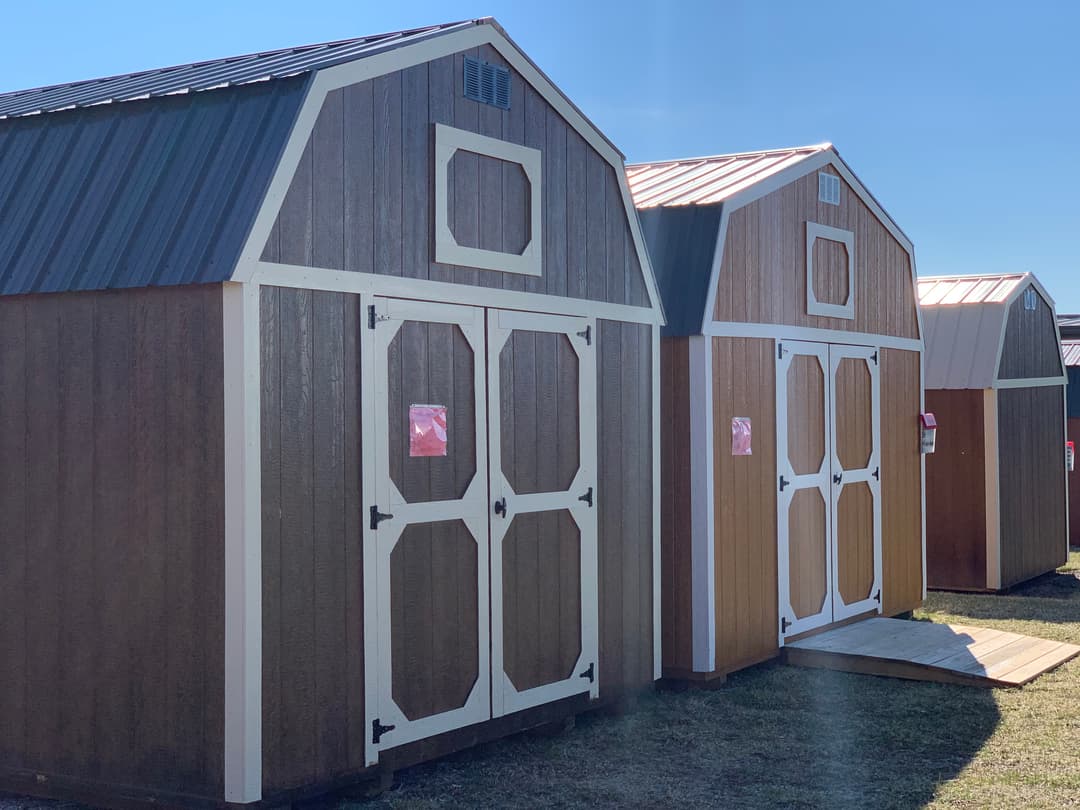
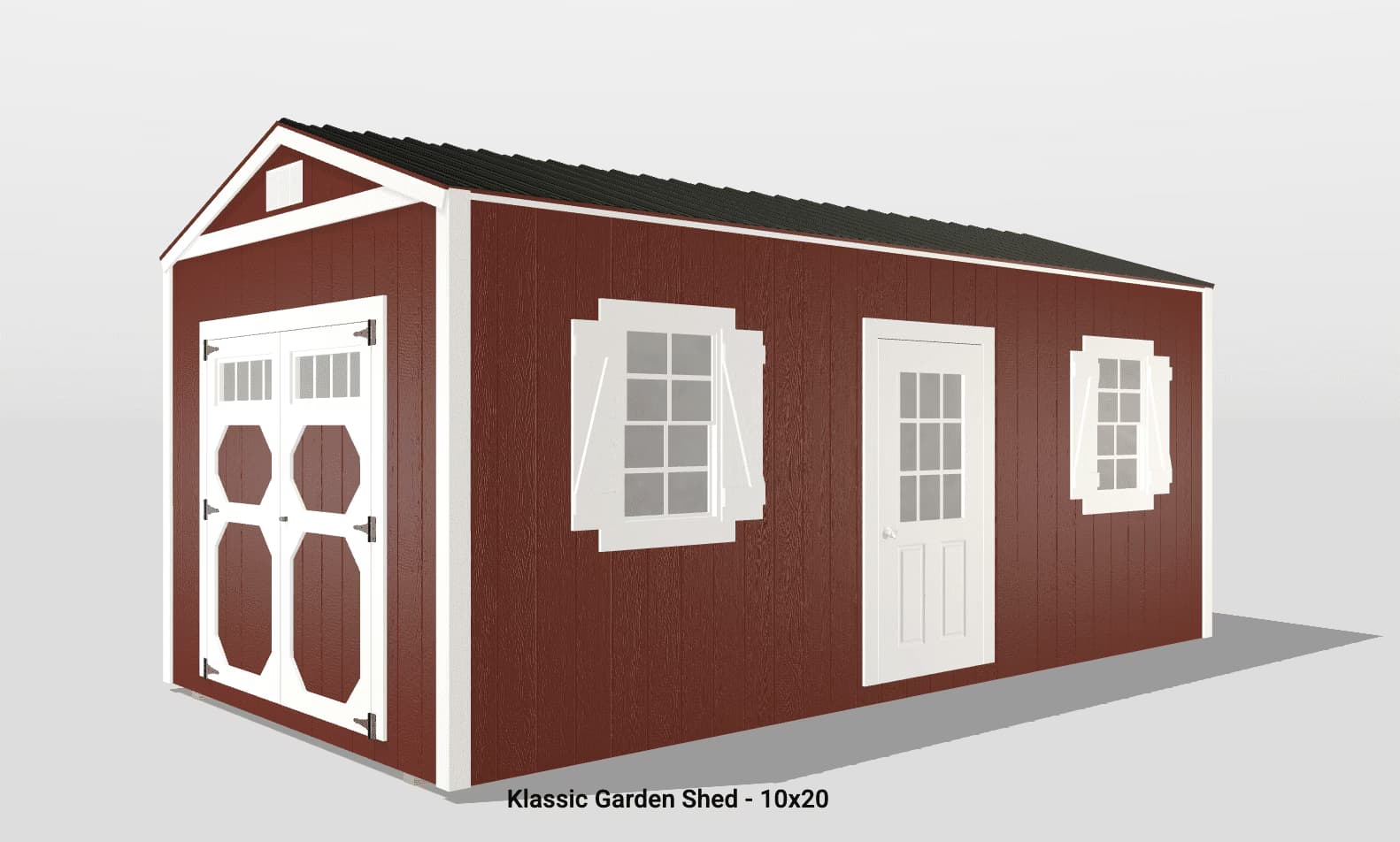
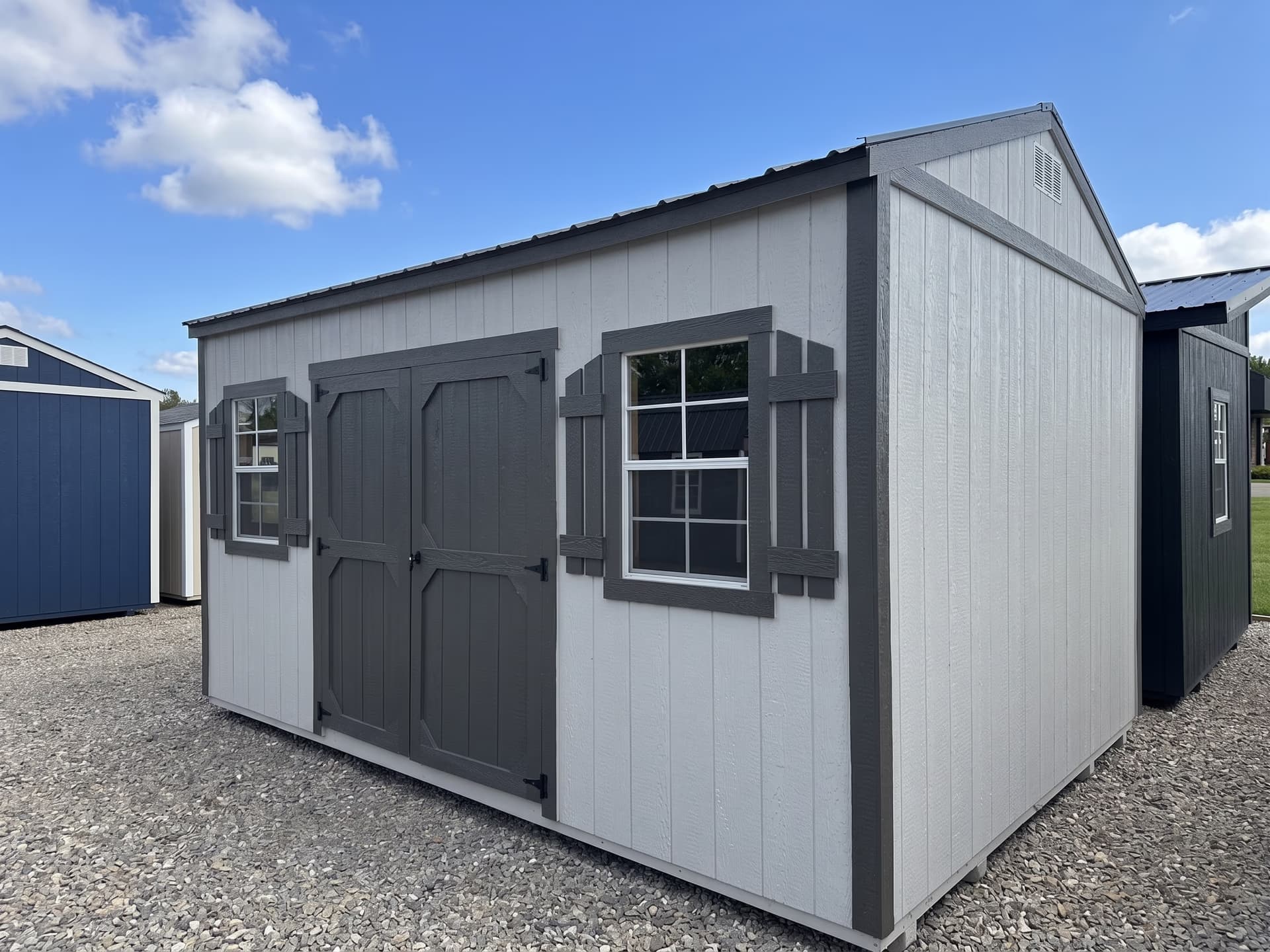
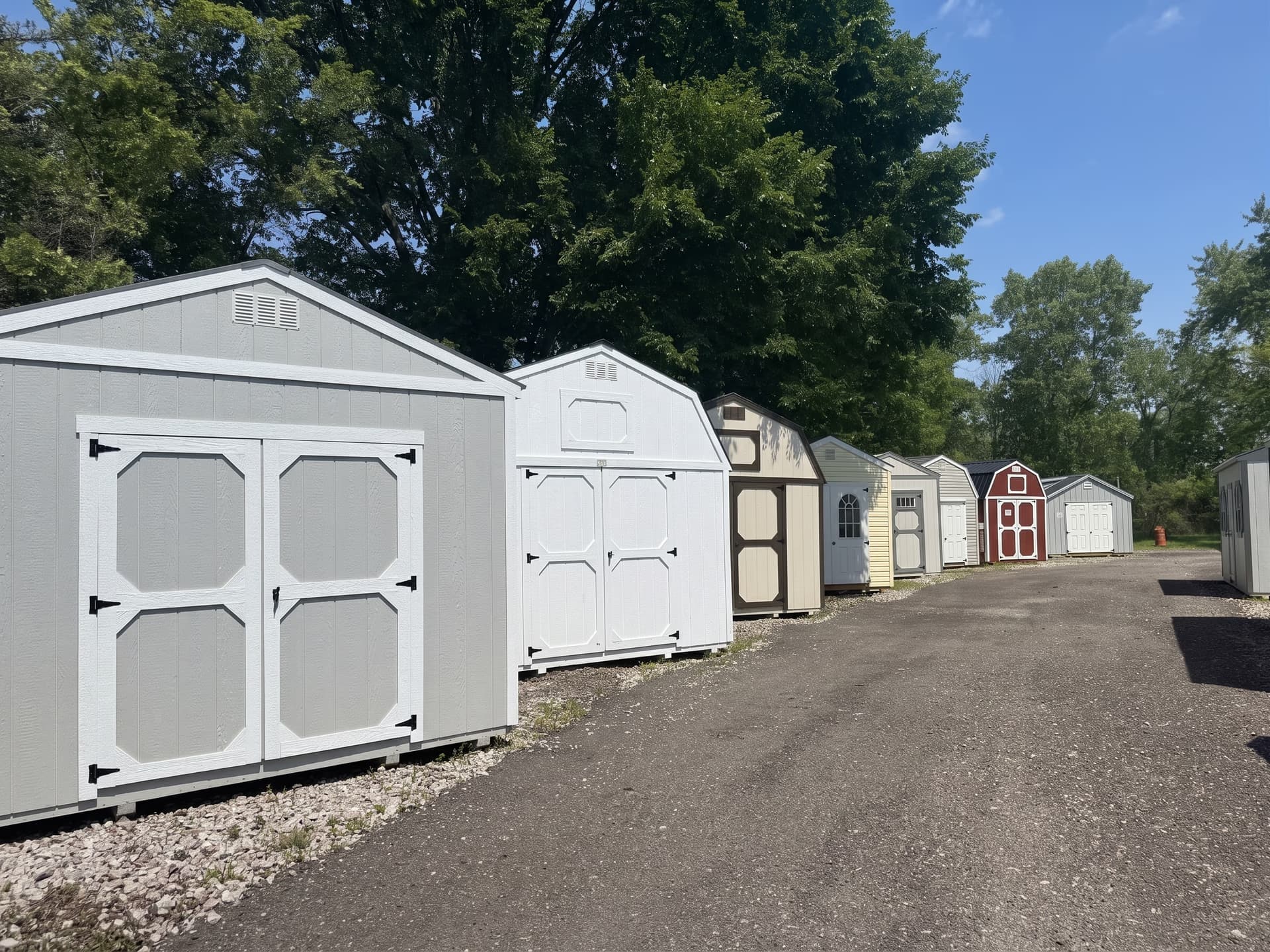
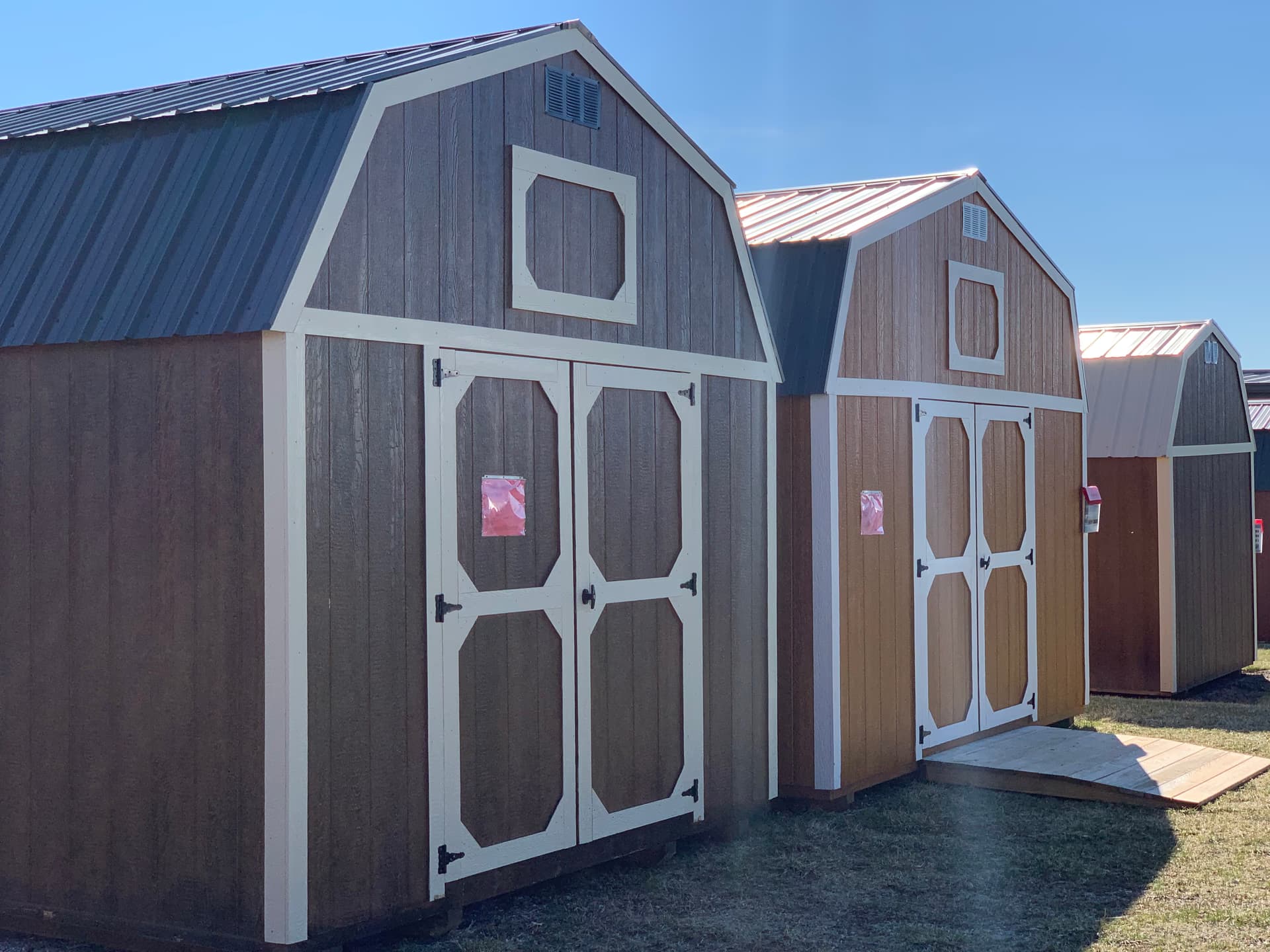
Pro Tip : Amish portable garages are customizable, durable, and can adapt to future needs. Use their 3D design tool to plan your ideal garage.
This guide will help you design a garage that fits your needs and increases your property’s value.
How to Choose the Best Garage Size for Your Build
Step 1: Calculate Vehicle Space Requirements
Getting accurate measurements of your vehicle is key to choosing the right garage size.
Vehicle Size Measurements
Start by measuring your vehicle’s full dimensions:
Vehicle Feature: Basic Dimensions | What to Measure: Length, width, height | Additional Space Needed: Base requirement
Vehicle Feature: Additional Features | What to Measure: Mirrors, roof racks, antennas, bumpers, hitches, bike racks | Additional Space Needed: Add 2-3 feet to length and width
For most vehicles, plan for a garage length of at least 20-22 feet to ensure enough room . Be sure to include any permanent accessories when measuring the widest and tallest points.
Space for Door Opening and Movement
You’ll need 2-3 feet of clearance on each side of the vehicle. This ensures:
- Easy entry and exit without damaging doors
- Space to load and unload cargo
- Room to move around the vehicle safely
If you’re adding workbenches or storage, include an extra 4 feet of width along one wall.
Planning for Future Vehicles
It’s smart to think ahead when calculating space. Consider these recommendations:
Factor: Potential Larger Vehicle | Suggested Extra Space: Add 2-3 feet to length and width
Factor: Future Needs | Suggested Extra Space: Add 2-4 feet to ceiling height and 20-30% more floor space
Amish portable garages offer options that can be adjusted to accommodate future changes, making them a flexible solution.
"A well-planned garage considers not just current vehicle dimensions but anticipates future needs" .
Lastly, check local regulations for size restrictions or setbacks before finalizing your plans .
Once you’ve calculated the space for your vehicles, you can move on to planning for storage and workspace needs to make sure your garage works for all your purposes.
Step 2: List Storage and Work Space Needs
Storage Space Planning
The size and layout of your garage depend heavily on your storage and workspace needs. Beyond parking your vehicles, your garage should efficiently store various items. Start by organizing your storage needs based on size:
Item Category: Small Items | Recommended Wall Space: 4 feet | Examples: Tools, bikes, garden gear | Suggested Space: 4 additional feet
Item Category: Medium Items | Recommended Wall Space: 6-8 feet | Examples: Lawn mowers, ATVs | Suggested Space: 8 additional feet
Item Category: Large Items | Recommended Wall Space: 10+ feet | Examples: Boats, recreational equipment | Suggested Space: 10+ additional feet
Use vertical storage and designate zones for seasonal items to keep your garage functional for daily activities. For added durability and easier cleaning, consider epoxy-coated flooring.
Work Area Requirements
Design your workspace to be practical and efficient. A standard workbench needs a depth of 24 inches with 3-4 feet of clearance for comfortable movement. Ensure proper lighting, with a mix of overhead and natural light where possible.
"Experts recommend smart technology and durable materials for enhanced functionality."
Here are some workspace options based on your needs:
Work Zone Type: Basic Workshop | Minimum Space: 8' x 8' | Key Features: Workbench, tool storage, proper lighting
Work Zone Type: Hobby Area | Minimum Space: 10' x 10' | Key Features: Extra counter space, specialized storage
Work Zone Type: Professional Shop | Minimum Space: 12' x 12' | Key Features: Multiple workstations, room for large equipment
To prepare for future needs, consider installing a 240V electrical service. This can power heavy-duty tools and support EV charging .
Once you've mapped out your storage and work areas, review your property's available space and any building restrictions.
Step 3: Check Property Limits and Rules
When planning your garage, your property's available space and local regulations will heavily influence the size and design you can go for.
Assessing Your Property Space
To ensure your garage fits within the rules and your property's boundaries, use the following checklist:
Step: Property Survey | Action: Consult your local building department | What to Keep in Mind: Confirms the exact area you can build on
Step: Setback Requirements | Action: Review local zoning laws | What to Keep in Mind: Garages often need to be 3-5 feet from property lines
Step: Height Restrictions | Action: Check with your building department | What to Keep in Mind: Heights are commonly capped at 15 feet
Step: Surface Coverage | Action: Calculate impervious surface ratios | What to Keep in Mind: Ensure compliance with local flood regulations
Once you've got these measurements and details sorted, you’ll be ready to tackle the permitting process.
Understanding Building Rules and Permits
Garage permits typically range from $200 to $550, but exact requirements depend on your location. Here’s a breakdown of common permit types and what they involve:
Permit Type: Standard Review | Details: Quick, same-day approval for simple projects
Permit Type: Critical Areas | Details: Requires extra paperwork and may take up to 10 days
Permit Type: Attached Garages | Details: Requires a full residential permit
Permit Type: Detached Garages (< 500 sq ft) | Details: Some areas may waive permits for smaller structures
If your garage is within 5 feet of a property line, fire safety rules might require fire-rated walls. Separate permits are also needed for any electrical work, plumbing, or lighting installations.
Be aware of other possible restrictions. For example, wetlands or historic district rules could impact where you can place your garage. It’s also a good idea to discuss your plans with neighbors to prevent disputes.
For attached garages, you’ll typically need a Residential Single Family Dwelling Permit. Detached garages, however, may have different requirements depending on their size and location.
Step 4: Common Garage Sizes
Now that you've reviewed your property and local regulations, it’s time to look at standard garage sizes. Knowing the typical dimensions helps you pick a garage that fits your needs, works within your property boundaries, and handles your storage requirements.
1-Car Garage Sizes
A single-car garage usually measures between 12x20 feet and 12x24 feet. Here’s a breakdown:
Size (feet): 12x20
Size (feet): 12x24
Size (feet): 14x24
Amish Outdoor Buildings offers customizable single-car portable garages , particularly useful in urban areas. According to market data, a well-designed garage in such settings can boost property value by as much as $47,000 .
Amish Outdoor Buildings also provides portable custom-sized garages that can be delivered and installed without requiring a full foundation, making them a practical option for those needing more storage.
After selecting the right size, think about ways to make the most of your garage space with smart organizational strategies.
Step 5: Space-Saving Methods
Making the most of your garage space ensures it can handle parking, storage, and workspace needs efficiently.
Wall and Ceiling Storage
Using vertical space is a game-changer. Wall-mounted and overhead solutions free up the floor while offering plenty of storage:
Storage Solution: Pegboard Systems | Best For: Hand tools, garden equipment | Average Cost: $50-150
Storage Solution: Wall-mounted Racks | Best For: Bikes, sports gear | Average Cost: $100-300
Storage Solution: Heavy-duty Shelving | Best For: Bins, boxes, seasonal items | Average Cost: $200-500
Storage Solution: Ceiling Storage Racks | Best For: Holiday decorations, rarely used items | Average Cost: $150-400
Adding 2x4 shelving along walls gives you sturdy storage for tools and equipment, keeping them within easy reach . Overhead racks work great for items you don’t use often, but make sure to leave at least 24 inches of clearance to avoid damaging your car.
Storage Organization Tips
Here are some practical ways to keep your garage organized:
- Use modular cabinets for tools and equipment you want to protect.
- Store seasonal items in clear, labeled bins for quick identification.
- Keep frequently used items at eye level for easy access.
- Group similar items together in dedicated spaces.
- Place heavy items below waist height to minimize safety risks.
A workbench with built-in drawers can double as a workspace and storage area, making it a great addition . This is especially useful in compact setups like Amish portable garages, where every inch counts.
Expandable Storage Options
If you anticipate growing storage needs, consider solutions that can adapt over time:
Modular Systems : Adjustable shelving, stackable bins, movable cabinets, and wall track systems offer flexibility and convenience.
Corner Utilization : Don’t let corner spaces go to waste. Specialized options include:
- Rotating corner shelves
- L-shaped workbenches
- Corner tool organizers
For heavy-duty storage, metal shelving and professional-grade systems are excellent choices - they’re built to last and handle tough use .
Conclusion: Making Your Final Decision
Size Selection Checklist
When deciding on the right garage size, keep these key factors in mind:
Factor: Vehicle Space | Key Considerations: Current and future vehicle dimensions | Impact on Decision: Minimum 24 feet width for 2 cars
Factor: Storage Needs | Key Considerations: Tools, equipment, seasonal items | Impact on Decision: Add 30% buffer to basic requirements
Factor: Property Constraints | Key Considerations: Local codes, setbacks, lot size | Impact on Decision: Affects maximum allowable dimensions
Factor: Budget Range | Key Considerations: Construction costs ($29-50 per sq ft) | Impact on Decision: Influences size and feature choices
Factor: Future Value | Key Considerations: Urban areas see 38% value increase | Impact on Decision: May justify larger initial investment
In markets like California, a well-designed garage can boost home value by $5,000 to $25,000 . After identifying the right dimensions, explore options like Amish Outdoor Buildings for a durable and customizable solution tailored to your needs.
Amish Outdoor Buildings Options
Amish Outdoor Buildings provide garages designed to last, featuring termite-resistant materials and a 3D planning tool to help you create a space that fits both your current and future needs.
Why Choose Amish Outdoor Buildings?
- Free delivery within 40 miles makes it convenient to get started.
- Flexible rent-to-own plans with no credit checks ensure financing is simple and accessible.
- Early payoff options and straightforward contracts keep costs manageable.
Their rent-to-own program is especially appealing for budget-conscious buyers, offering a hassle-free way to invest in a garage without hidden fees.
FAQs
How much space do you need around a car in a garage?
Knowing how much room to leave around your car is key when deciding on your garage dimensions.
Area: Side Clearance | Minimum Space Required: 2 feet per side | Recommended Space: 3 feet per side
Area: Front/Back | Minimum Space Required: 3 feet | Recommended Space: 4-5 feet
Area: Total Width (1 car) | Minimum Space Required: 12 feet | Recommended Space: 14-16 feet
Area: Total Width (2 cars) | Minimum Space Required: 20 feet | Recommended Space: 24 feet
Area: Larger Vehicles | Minimum Space Required: +1 foot per side | Recommended Space: +2 feet per side
Here’s a breakdown for different vehicle types:
- Standard Cars : Allow 2-3 feet on each side for easy door opening and passenger access.
- SUVs and Trucks : Plan for an extra foot of clearance on each side.
- Work Areas : Leave a 4-foot buffer zone for maintenance or projects.
"For a full pickup truck or SUV, plan for a garage length of 20-22 feet to ensure adequate space for both vehicle storage and front/rear access"
Don’t forget to add about 30% more space for storage or additional needs. Following these guidelines will help you design a garage that combines practicality with comfort.